
Modern Slavery Risk Assessment Software
Prepare for Modern Slavery reporting in New Zealand - fast.
Fair Supply helps New Zealand companies identify and manage modern slavery risk through to 10 tiers deep—using just supplier name and spend. Build a defensible baseline, prioritise supplier engagement, and generate audit-ready evidence for emerging reporting expectations.

Trusted by global leaders in ethical sourcing and sustainable procurement.






Choose where to start your emissions journey


Simplify Operational Emissions Reporting
Track and manage your Scope 1 and 2 emissions with Fair Supply’s compliance-ready calculator. Go from first estimates to defensible, regulator-aligned reports with speed and confidence.

Get Started Fast
Create a Scope 1 and 2 estimate in minutes. Refine data over time to build a complete, audit-ready inventory.
Report with Confidence
Generate regulator-ready reports in line with the GHG Protocol, ASRS, ISSB, CDP and more.
Stay Audit-Ready
Stand up to scrutiny with an immutable audit trail and robust, traceable and defensible methodologies.
New Zealand is moving toward mandatory modern slavery reporting
Aotearoa New Zealand has introduced a Modern Slavery Bill that signals a major shift for large organisations. For many businesses, it will mean public disclosure of supply chain risks and clear evidence of the actions you’re taking to prevent and address that risk
Fair Supply equips New Zealand teams to prepare for public reporting expectations and helps you move beyond statements and spreadsheets to a repeatable, defensible compliance due diligence workflow.

Identify modern slavery exposure deep in your supply chains
Map risk exposure through to Tier 10—across indirect relationships, high-risk sectors, and flagged geographies.

Regulation-Ready From Day One
Generate standardised, audit-aligned reports trusted by boards, regulators, and investors.

Continuous Monitoring Made Easy
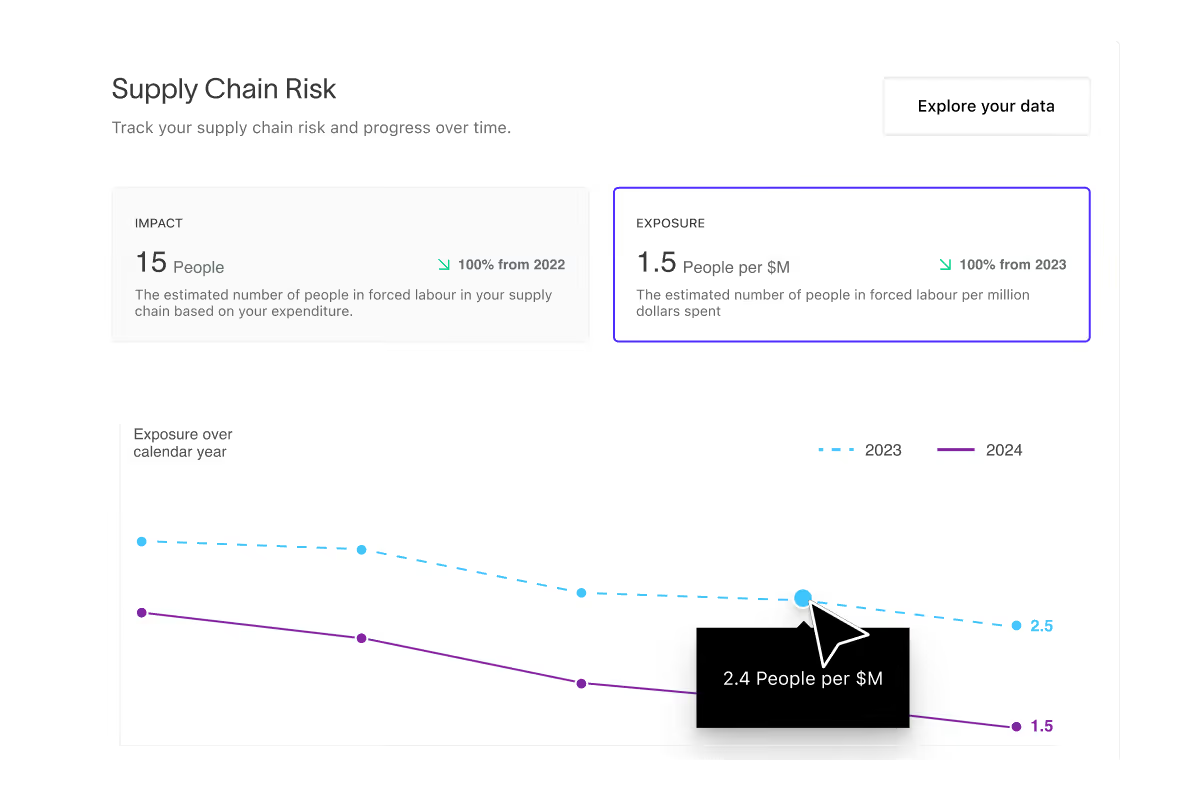
Track shifts in risk exposure over time and maintain up-to-date due diligence across your supplier base so it’s not an annual scramble.
Key Features
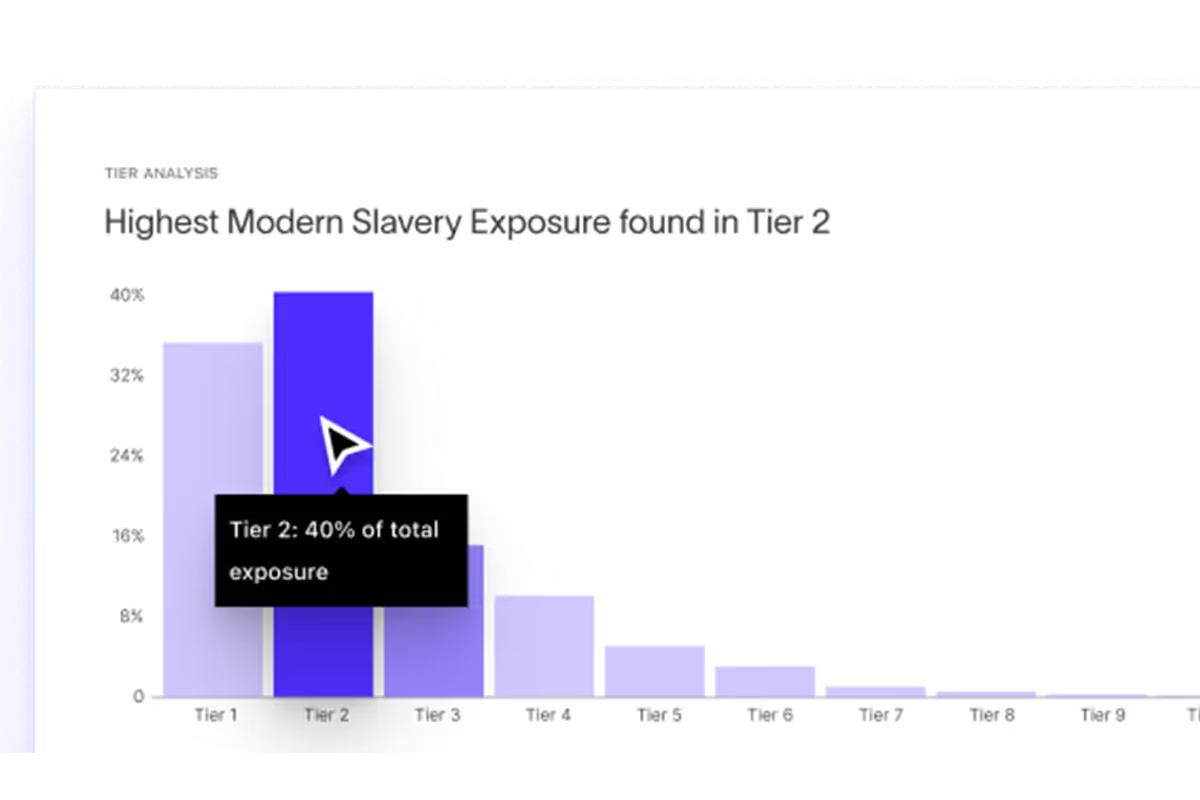
See the Risk Others Miss
Use basic supplier data to generate assessments based on verified datasets and economic modelling. Identify modern slavery exposure across geography and category—without manual mapping.
Build a defensible reporting baseline
Establish a repeatable, consistent method for identifying risk, prioritising action, and documenting outcomes—so disclosures are accurate, comparable, and defensible.
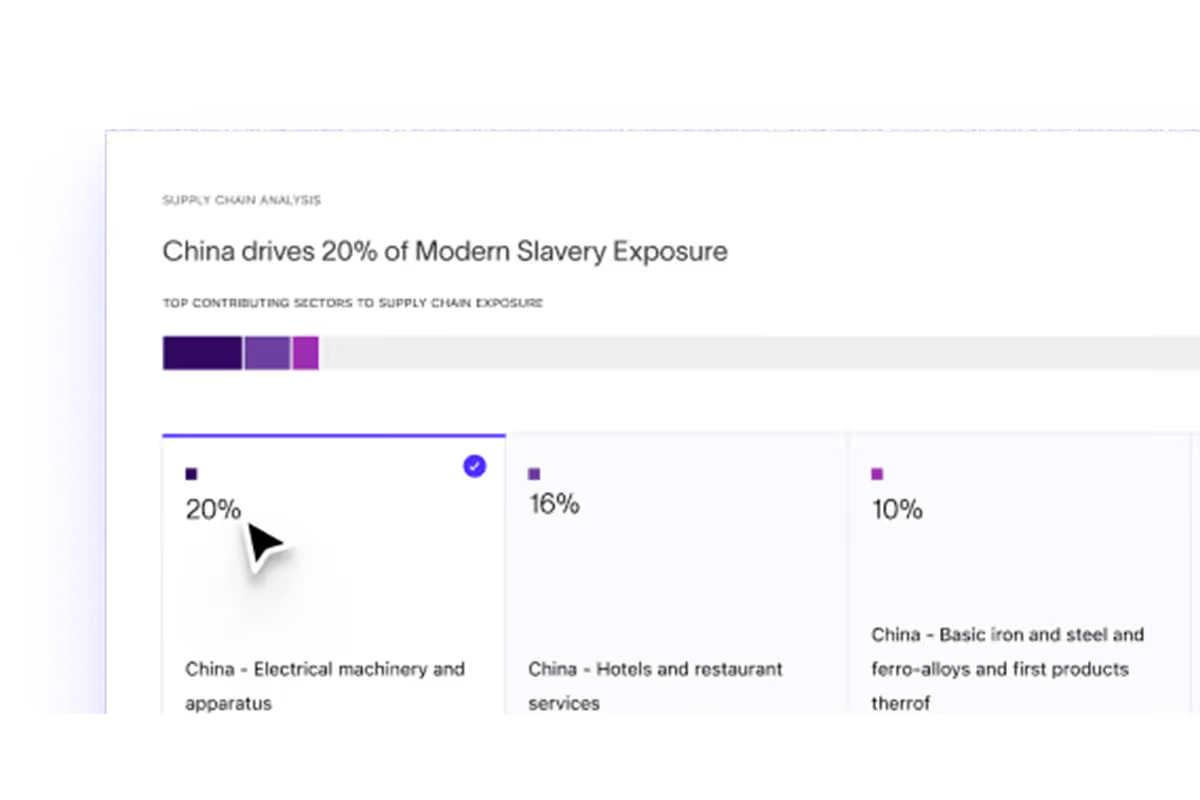
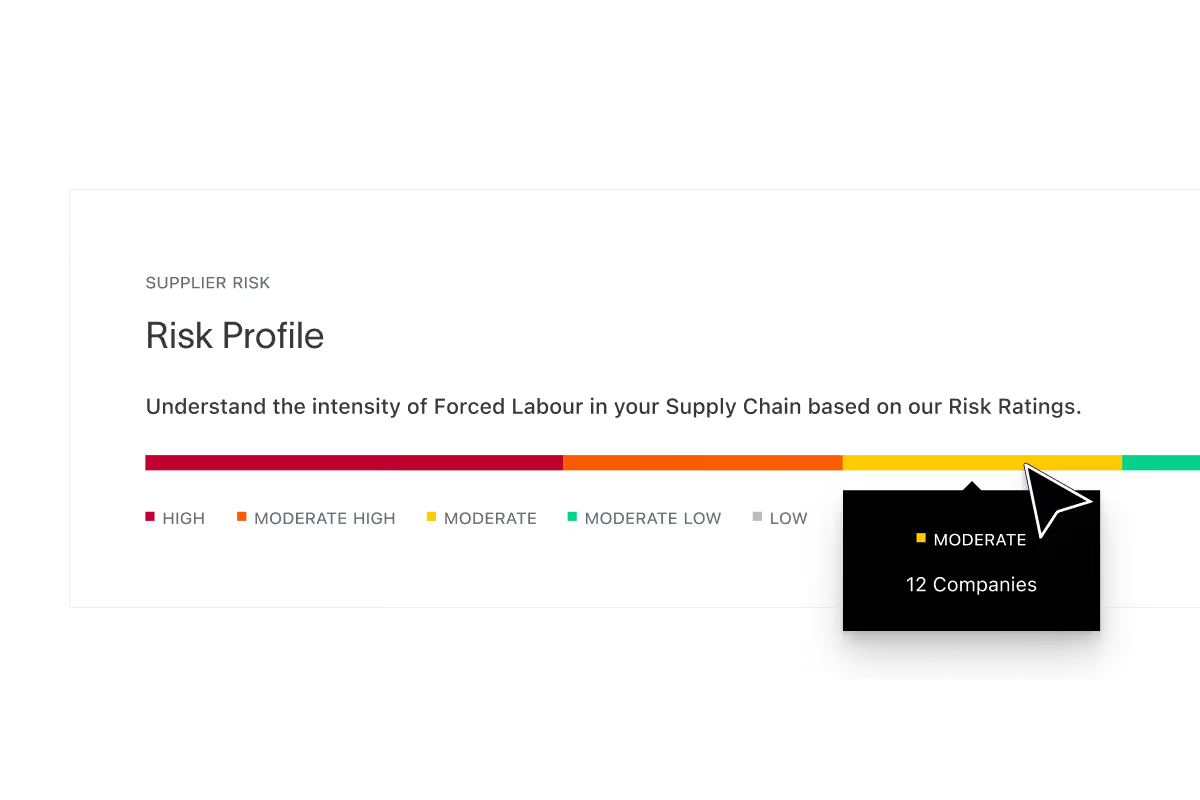
Built for Procurement and ESG Workflows
Embed modern slavery screening into supplier onboarding, sourcing events, and supplier reviews—without creating friction for your teams.
From Flag to Follow-Through
Classify suppliers by risk level, trigger SAQs only where needed, and track maturity over time. Move from reporting obligations to measurable progress.
Heading 3
Lorem ipsum dolor sit amet, consectetur adipiscing elit, sed do eiusmod tempor incididunt ut labore et dolore magna aliqua. Ut enim ad minim veniam, quis nostrud exercitation ullamco laboris nisi ut aliquip ex ea commodo consequat. Duis aute irure dolor in reprehenderit in voluptate velit esse cillum dolore eu fugiat nulla pariatur.
Heading 3
Lorem ipsum dolor sit amet, consectetur adipiscing elit, sed do eiusmod tempor incididunt ut labore et dolore magna aliqua. Ut enim ad minim veniam, quis nostrud exercitation ullamco laboris nisi ut aliquip ex ea commodo consequat. Duis aute irure dolor in reprehenderit in voluptate velit esse cillum dolore eu fugiat nulla pariatur.

FAQs
What is the New Zealand Modern Slavery Bill?
New Zealand has introduced a landmark Modern Slavery Bill to strengthen protections for workers and improve supply chain transparency. The legislation will require large businesses to publicly report on modern slavery risks and the actions they are taking to address them.
New Zealand’s proposed legislation is a pivotal step toward stronger supply chain accountability. Enterprises that act early will protect workers, safeguard exports, and maintain trust with global partners.
The Modern Slavery Bill will introduce:
- Mandatory public reporting for organisations over NZ$100M revenue
- Disclosure of complaints and incidents found
- Penalties for non-compliance and director liability
- Stronger expectations from investors and trading partners
If the Bill passes, who will need to comply with the new requirements?
The Bill is expected to apply to organisations with annual revenue above NZ$100 million, meaning many of New Zealand’s largest companies will soon face mandatory reporting obligations.
Which companies will have to report under the New Zealand Modern Slavery Bill?
The Bill proposes mandatory public reporting for organisations above a revenue threshold (reported as NZ$100M). Many large New Zealand companies, subsidiaries, and entities operating across NZ supply chains should prepare now.
What data do we need to get started in Fair Supply’s platform?
You can start with supplier name, country, and spend. Fair Supply generates an objective baseline using modelling and authoritative datasets—then helps you deepen due diligence where risk is highest.
How does Fair Supply assess modern slavery risk in supply chains?
Modern slavery risk is assessed by combining MRIO models with data from the Global Slavery Index, ILO, and U.S. government sources. Risk is quantified across supply chains and expressed as estimated people in forced labour per million dollars spent.
What data sources are used to calculate modern slavery risk in Fair Supply's platform?
Key sources include the Global Slavery Index, ILO Global Estimates, U.S. TIP Reports, Department of Labor Goods List, and economic activity data.
What risk levels does Fair Supply assign for modern slavery in the supply chain?
Fair Supply classifies modern slavery risk using both a numerical score and a 5-point rating scale: Low, Moderate Low, Moderate, Moderate High, and High. These classifications are based on the distribution of forced labour risk across global industry and geography, enabling meaningful comparison and prioritisation of suppliers.
Get ready before reporting becomes mandatory
New Zealand’s proposed Modern Slavery Bill signals higher expectations for transparency and stronger accountability for non-compliance. Fair Supply helps you act early with a scalable approach to risk identification, supplier engagement, and evidence-backed reporting.