Written by Field Name
Report Date
5 min read

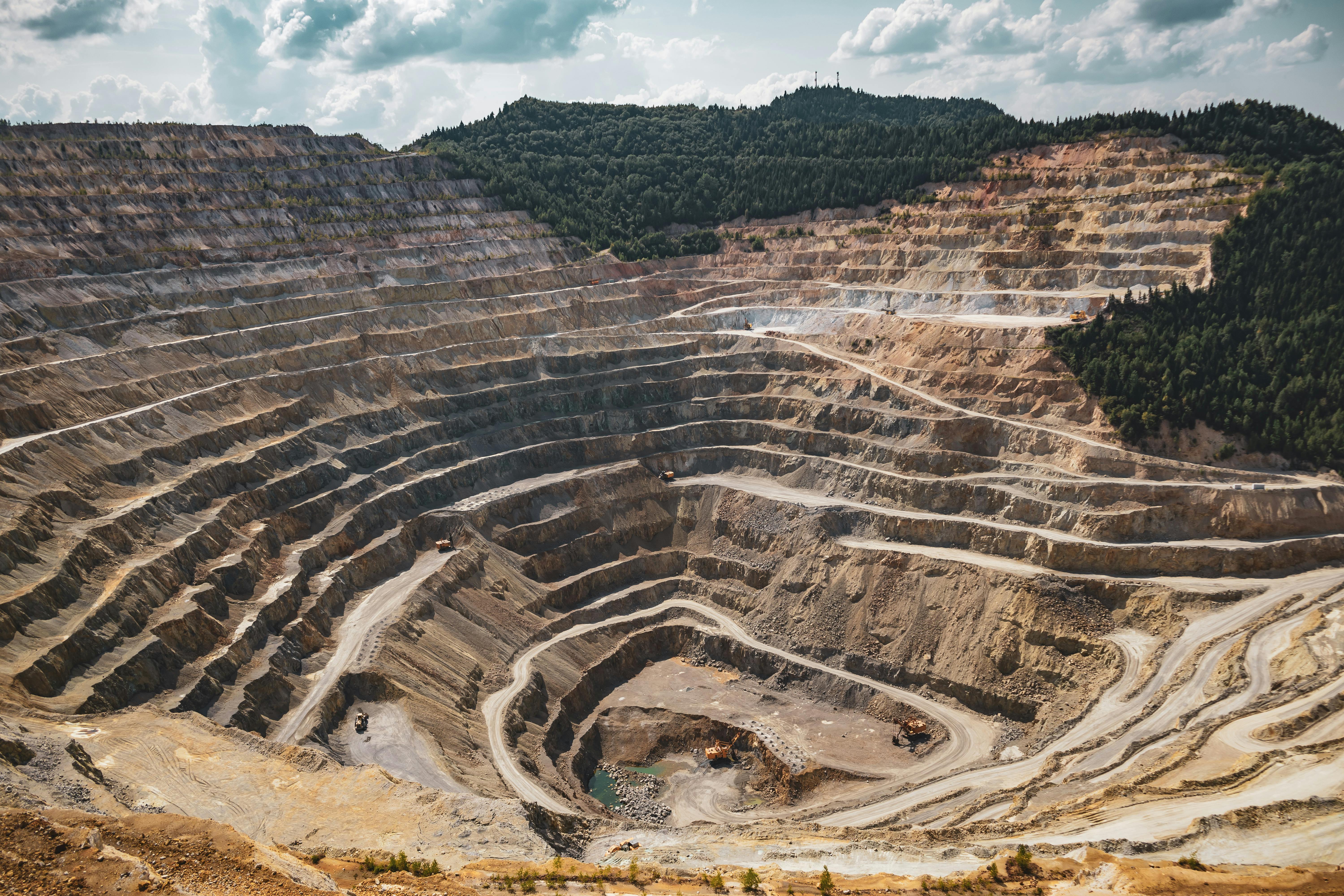
Mining is one of the most emissions intensive sectors in the global economy. From diesel powered heavy machinery to energy intensive processing facilities, mining companies operate at the heart of industrial emissions. As a result, they are under increasing scrutiny from regulators, investors, and customers.
From 2025–2026, this scrutiny will translate into mandatory climate disclosure obligations under frameworks such as the Australian Sustainability Reporting Standards and AASB S2. At the same time, many mining companies are already subject to Australia’s National Greenhouse and Energy Reporting Act 2007 and the associated National Greenhouse and Energy Reporting Scheme, which impose detailed requirements for emissions and energy reporting.
The convergence of these regimes marks a significant shift. Mining companies must move beyond operational reporting under NGER to enterprise wide, investor-grade climate disclosures.
This article explains why carbon reporting matters in mining, outlines the 2026 requirements, and sets out how organisations can prepare.
Mining operations rely heavily on diesel, electricity, and processing activities, making them major contributors to Scope 1 and Scope 2 emissions. In addition, downstream use of mined products such as coal, iron ore, and other commodities can significantly increase Scope 3 exposure.
Capital providers are increasingly factoring emissions intensity into investment decisions. Mining companies with high or poorly managed emissions profiles may face:
Community expectations are evolving rapidly. Carbon performance is now closely linked to a company’s social licence to operate, particularly for projects requiring regulatory approvals or operating in sensitive regions.
Global customers particularly in energy, infrastructure, and manufacturing are imposing emissions-related requirements on suppliers. Mining companies must increasingly demonstrate:
Inaccurate or incomplete disclosures can expose companies to:
Diesel powered trucks, excavators, and drilling equipment are major sources of Scope 1 emissions, particularly in open cut mining operations.
Remote mining sites often rely on on site generation using diesel or gas, contributing significantly to emissions.
Crushing, grinding, smelting, and refining processes are energy intensive and contribute to both Scope 1 and Scope 2 emissions.
The movement of raw materials via rail, road, and shipping generates substantial emissions across the value chain.
Contractors play a critical role in mining operations, yet their emissions are often difficult to track, contributing to Scope 3 complexity.
For certain commodities, the majority of lifecycle emissions occur downstream. For example:
From 2026, mining companies will be required to comply with enhanced disclosure obligations under AASB S2, alongside existing obligations under the National Greenhouse and Energy Reporting Scheme.
Companies must disclose:
While NGER focuses primarily on Scope 1 and Scope 2 at a facility level, ASRS expands the requirement to include Scope 3 at an enterprise level.
Mining companies must identify and disclose:
Boards are expected to demonstrate active oversight of climate-related risks, including:
Companies must outline credible pathways to manage and reduce emissions, including:
Disclosures must be supported by:
Mining operations are often located in remote areas, making it difficult to:
Contractors are a significant source of emissions, yet companies often lack visibility into:
Mining companies typically operate across numerous sites, each with:
Reliable emissions reporting depends on high-quality data. Common issues include:
Engaging suppliers to provide emissions data remains a persistent challenge, with:
With increasing assurance requirements, companies must ensure their data and methodologies can withstand external audit, something many are not yet prepared for.
A comprehensive emissions inventory should include:
Fragmented systems create inefficiencies and risk. Companies should:
Contractors must be part of the reporting process. Leading companies are:
Given the complexity of Scope 3, companies should focus on:
Strong governance frameworks are critical, including:
Manual processes are no longer sufficient. Mining companies need:
As reporting requirements evolve, mining companies require solutions that can handle operational complexity, multi-site data, and supply chain visibility.
Fair Supply provides an end-to-end platform tailored to these challenges.
Fair Supply enables:
The platform provides:
Mining companies can:
Fair Supply supports:
With increasing assurance requirements, Fair Supply delivers:
In addition to technology, Fair Supply provides:
Carbon emissions reporting is now a core requirement for mining companies. With the introduction of mandatory disclosures from 2025–2026 and the continued application of the National Greenhouse and Energy Reporting Scheme, organisations face a step change in expectations.
The shift is clear: from facility-level reporting to enterprise-wide, audit-ready climate disclosures.
Mining companies that act early—by investing in data systems, governance frameworks, and integrated reporting platforms—will be better positioned to manage risk, maintain investor confidence, and meet regulatory requirements.
Fair Supply enables this transition, providing the tools, data, and expertise required to deliver reliable, end-to-end carbon reporting in a complex and evolving regulatory environment.